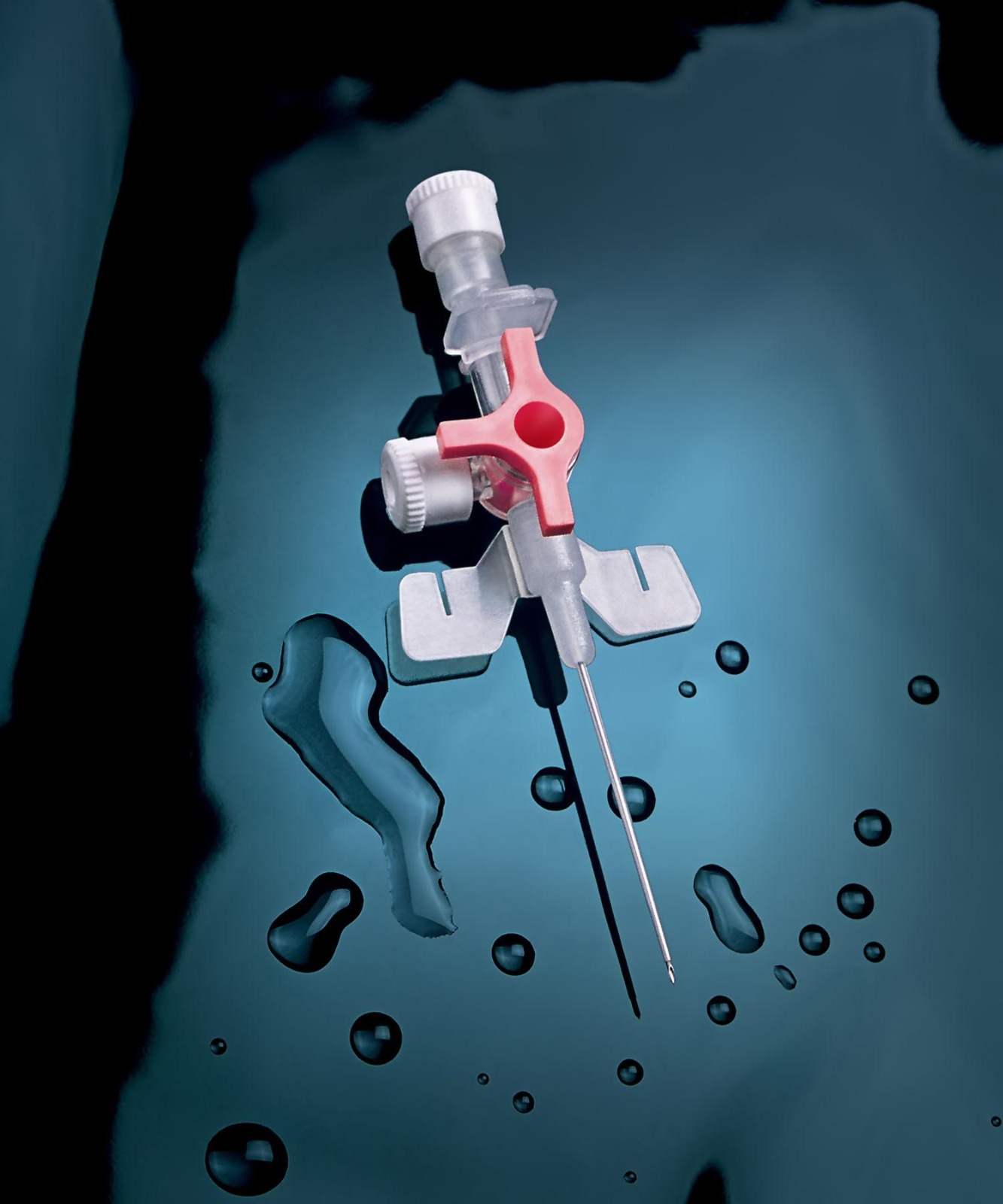
IV Cannula Selection Guide: Short-Term vs Long-Term Use Explained
Intravenous (IV) therapy is a cornerstone of modern healthcare, enabling rapid delivery of fluids, medications, and nutrients. While the procedure itself is routine, the choice of IV access device is far from simple. One of the most critical decisions clinicians face is selecting between short-term and long-term IV access, and more importantly, choosing the right cannula for each clinical scenario.
This decision directly impacts patient comfort, therapy effectiveness, and the risk of complications. As healthcare moves toward more personalized and outcome-driven care, understanding the differences between short-term and long-term IV access has become essential.
Understanding Short-Term IV Access
Short-term IV access typically involves peripheral IV cannulas (PIVCs), which are inserted into superficial veins and used for therapies lasting from a few hours up to several days. These are commonly used in:
- Emergency departments
- Surgical procedures
- Short hospital stays
- Rapid fluid or medication administration
Peripheral IV cannulas are preferred for their ease of insertion, minimal invasiveness, and quick access. However, they are not designed for extended use, particularly in cases requiring continuous or complex therapy.
When Short-Term Access Falls Short
While PIVCs are widely used, they are also associated with a relatively high rate of failure. Studies indicate that up to 30-40% of peripheral IV lines fail prematurely, often within the first 48-72 hours. Common challenges include:
- Vein irritation and phlebitis
- Infiltration or extravasation
- Frequent dislodgement
- Need for repeated insertions
These complications not only increase patient discomfort but also place additional workload on clinical staff and delay treatment. The limitations of short-term access highlight the importance of selecting the right device based on therapy duration and patient condition.
Long-Term IV Access: Stability and Continuity
Long-term IV access devices are designed for extended therapies, ranging from several days to weeks or even months. These include midline catheters, peripherally inserted central catheters (PICCs), and other central access systems. They are commonly used in:
- Oncology treatments
- Long-term antibiotic therapy
- Parenteral nutrition
- Chronic illness management
Unlike peripheral cannulas, long-term devices provide more stable access, reduce the need for repeated insertions, and support higher-volume or irritant medications.
Key Differences That Influence Device Selection
Choosing between short-term and long-term IV access involves evaluating several clinical factors:
1. Duration of Therapy
Short-term therapies benefit from peripheral cannulas, while prolonged treatments require more stable access solutions.
2. Type of Medication
Irritating or vesicant drugs are better suited for long-term or central access devices to prevent vein damage.
3. Patient Condition
Patients with fragile veins such as pediatric or geriatric populations may require more carefully selected devices to minimize trauma.
4. Frequency of Access
Frequent infusions or blood draws favor long-term solutions to reduce repeated needle insertions.
By aligning device selection with these factors, clinicians can improve both safety and efficiency.
The Role of Cannula Design in Short-Term Access
Even within short-term IV therapy, cannula design plays a significant role in performance and patient experience. Modern peripheral IV cannulas are engineered to address many of the traditional challenges associated with short-term access. Key design features include:
- Flexible, biocompatible catheters that reduce vein irritation
- Atraumatic needle tips for smoother insertion and higher first-attempt success
- Optimized gauge options to balance flow rate and patient comfort
- Kink-resistant structures that maintain consistent fluid delivery
Manufacturers such as MedivationBio focus on refining these features to support reliable short-term IV access, helping reduce complications and improve clinical outcomes.
Balancing Comfort and Clinical Efficiency
Patient comfort is a critical consideration in IV therapy. Repeated insertion attempts can lead to anxiety, pain, and reduced cooperation, particularly in vulnerable populations. By selecting the appropriate access type and using well-designed cannulas, healthcare providers can:
- Reduce insertion-related trauma
- Minimize the need for reinsertion
- Improve overall patient satisfaction
At the same time, efficient device selection supports clinician workflows by reducing interruptions and procedural delays.
Minimizing Complications Through Informed Choices
The choice between short-term and long-term IV access is not just about duration; it is about minimizing risk. Incorrect device selection can lead to complications such as infection, vein damage, or therapy interruption. Modern clinical guidelines increasingly emphasize device selection as a preventive strategy, encouraging healthcare providers to assess patient needs early and choose the most appropriate access method.
A More Strategic Approach to IV Therapy
As healthcare systems evolve, IV access is no longer viewed as a routine step but as a strategic decision that influences outcomes. Matching the right cannula to the right clinical scenario ensures safer therapy, better patient experience, and improved resource utilization.
Short-term and long-term IV access each have their place in clinical care. The key lies in understanding their strengths and limitations, and leveraging modern cannula design to bridge the gap between convenience and performance. In IV therapy, the right choice at the start can make all the difference throughout the course of care.
